

A history of the Belarusian left
Maladaja Hramada did not begin in 1994. It began when someone in these cities first said that the working day should have an end, and the language a right to a classroom.
Marxist and Jewish organisations
The first socialists on this land spoke Yiddish — and tied the question of labour to the question of language from the start.
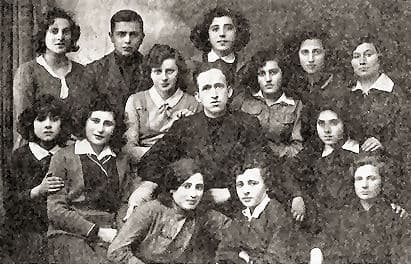
In the last third of the nineteenth century, industry in the Belarusian provinces grew faster than political freedom did. The working class here was substantially Jewish: the Pale of Settlement closed the countryside and the civil service to Jews, leaving the workshop and the factory among the few roads still open.
In October 1897, the Bund — the General Jewish Labour Union in Lithuania, Poland and Russia — was founded in Vilnius. It was the empire's first mass socialist party. Six months later, in March 1898, Minsk hosted the first congress of the RSDLP: nine people in a private house, most of them arrested soon afterwards.
The Bund demanded more than a shorter working day. It demanded national-cultural autonomy — the right to be taught and tried in your own language. That coupling of the social and the national became the template for the Belarusian left for decades to come.
The Belarusian Socialist Hramada
The party we trace our lineage to: socialism and the Belarusian revival as a single programme.
Around 1902, in St Petersburg and Vilnius, the Belarusian Revolutionary Hramada took shape — soon renamed the Belarusian Socialist Hramada, the BSH. Among its founders were the brothers Ivan and Anton Łuckievič, Alaiza Paškievič (known as Ciotka), and Vacłaŭ Ivanoŭski.
Its programme was agrarian-socialist: land to those who work it, an eight-hour day, a democratic federation of free peoples and autonomy for Belarus within it. What set the Hramada apart from the Marxists was its view of the peasantry — not a relic to be superseded, but the principal class of a country with few cities.
From 1906 to 1915 it published Naša Niva, the newspaper that effectively created the modern Belarusian literary language and the readership to go with it. Party work and cultural work were not separate here: schooling in the mother tongue was a political demand exactly as land reform was.
The BNR and the split in the Hramada
In a single year the Hramada went from opposition to declaring a state — and split into three parties.
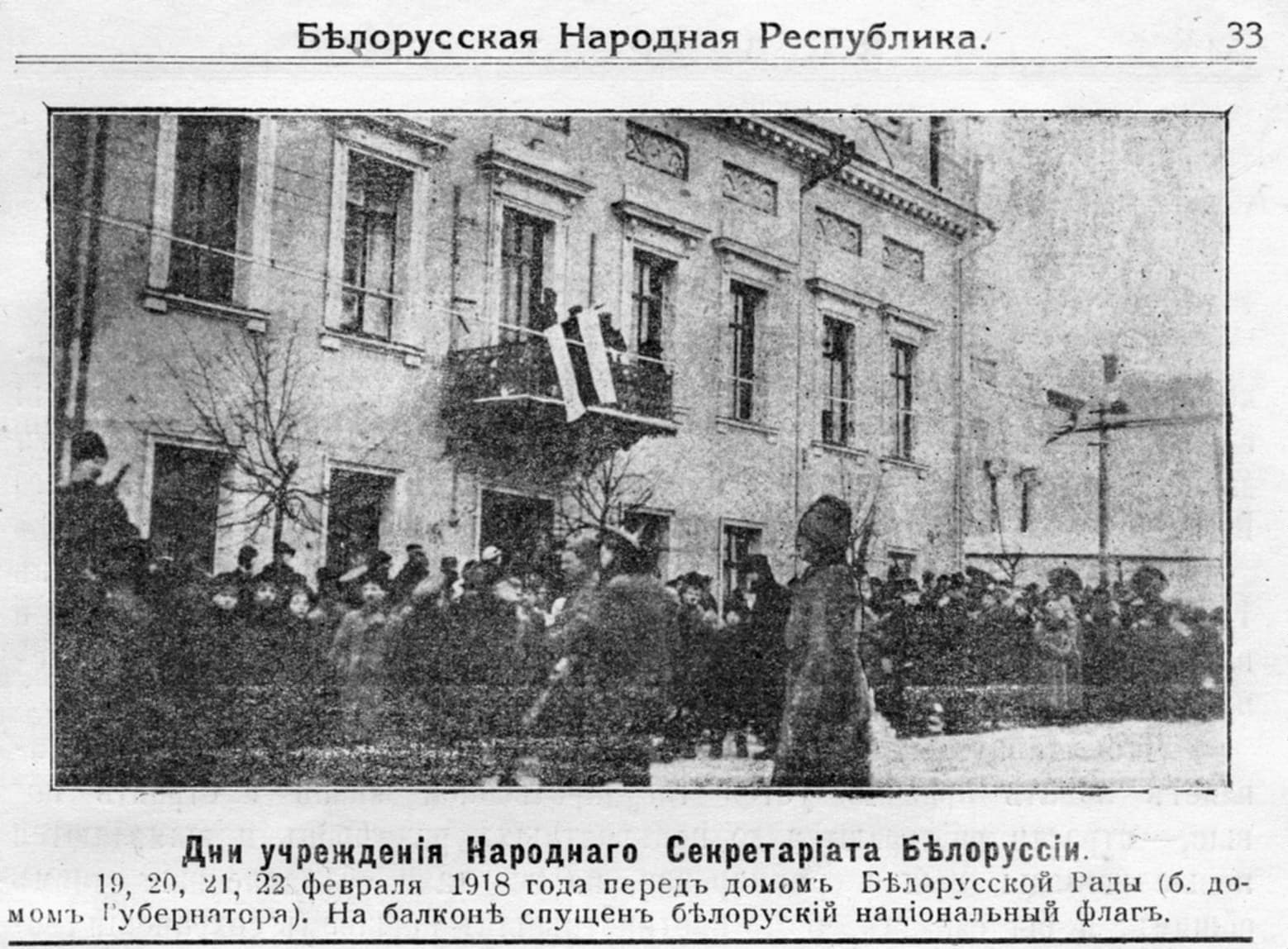
After February 1917 the BSH became the leading Belarusian political force. In December some 1,900 delegates from every current gathered in Minsk for the All-Belarusian Congress. Bolshevik authorities dispersed it within days.
On 25 March 1918 the Rada declared the independence of the Belarusian People's Republic. Its government was led by Anton Łuckievič — the same man who fifteen years earlier had been founding a socialist party underground. The BNR got neither an army nor recognition, but it was the first time Belarus was framed as a subject rather than a borderland.
That same year the BSH broke apart into the Belarusian Party of Socialist-Revolutionaries, the Belarusian Social Democratic Party and the Socialist-Federalists. The question that divided them was simple and unanswerable: can you build socialism alongside the Bolsheviks who have just dispersed your congress?
The founding of the CPB and the BSSR
Statehood did arrive — in Soviet form, and with it a decade of Belarusization.
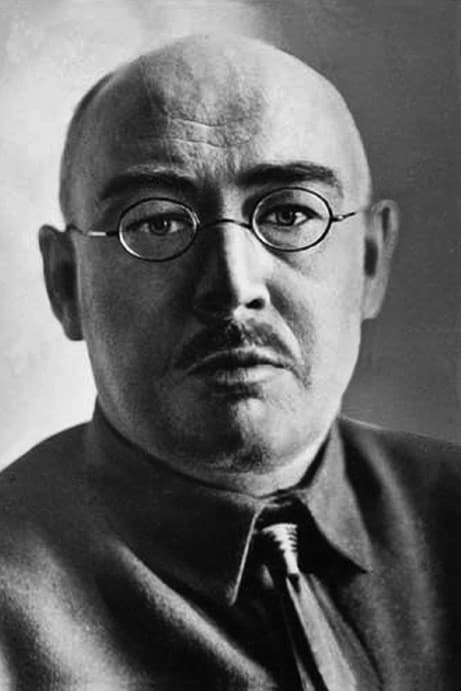
In late December 1918 the Communist Party (Bolsheviks) of Belarus was founded, and on 1 January 1919 the BSSR was proclaimed. For a few months it existed as Litbel, a combined Lithuanian-Belarusian republic, before the Soviet-Polish war began.
The 1921 Treaty of Riga cut the Belarusian lands in half: the west went to Poland, the east stayed Soviet. That partition shaped the whole interwar history of the Belarusian left, which would now operate in two different states and meet two different fates.
The 1920s in the BSSR were the years of Belarusization. The language entered schools, courts and newspapers, the Institute of Belarusian Culture grew into an Academy of Sciences, and some BNR figures returned from exile. For a decade it looked as though Soviet form and national content might be compatible.
The left in Western Belarus: the BSRH and the CPWB
The largest Belarusian party in history lasted eighteen months before it was banned.
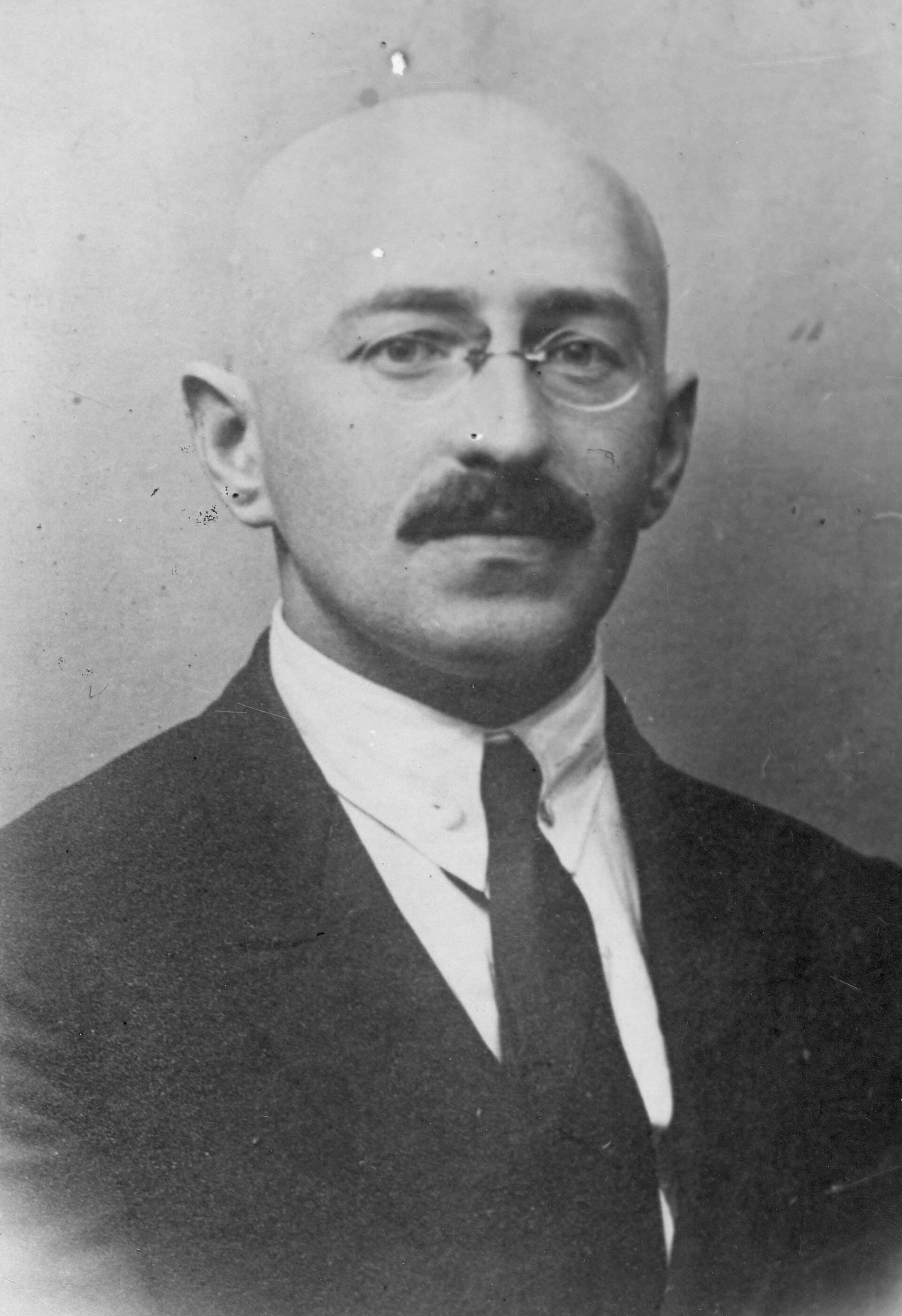
In interwar Poland, the Belarusians of the western voivodeships were a minority of over a million with restricted access to land and to schooling in their own language. In 1923 the Communist Party of Western Belarus emerged illegally, as an autonomous section of the Polish communist party.
In 1925 the legal Belarusian Peasants' and Workers' Hramada was founded, led by Branisłaŭ Taraškievič — a philologist and the author of the first Belarusian grammar. Within eighteen months it had gathered, by various estimates, between 100,000 and 120,000 members. No Belarusian movement before or since has been that large.
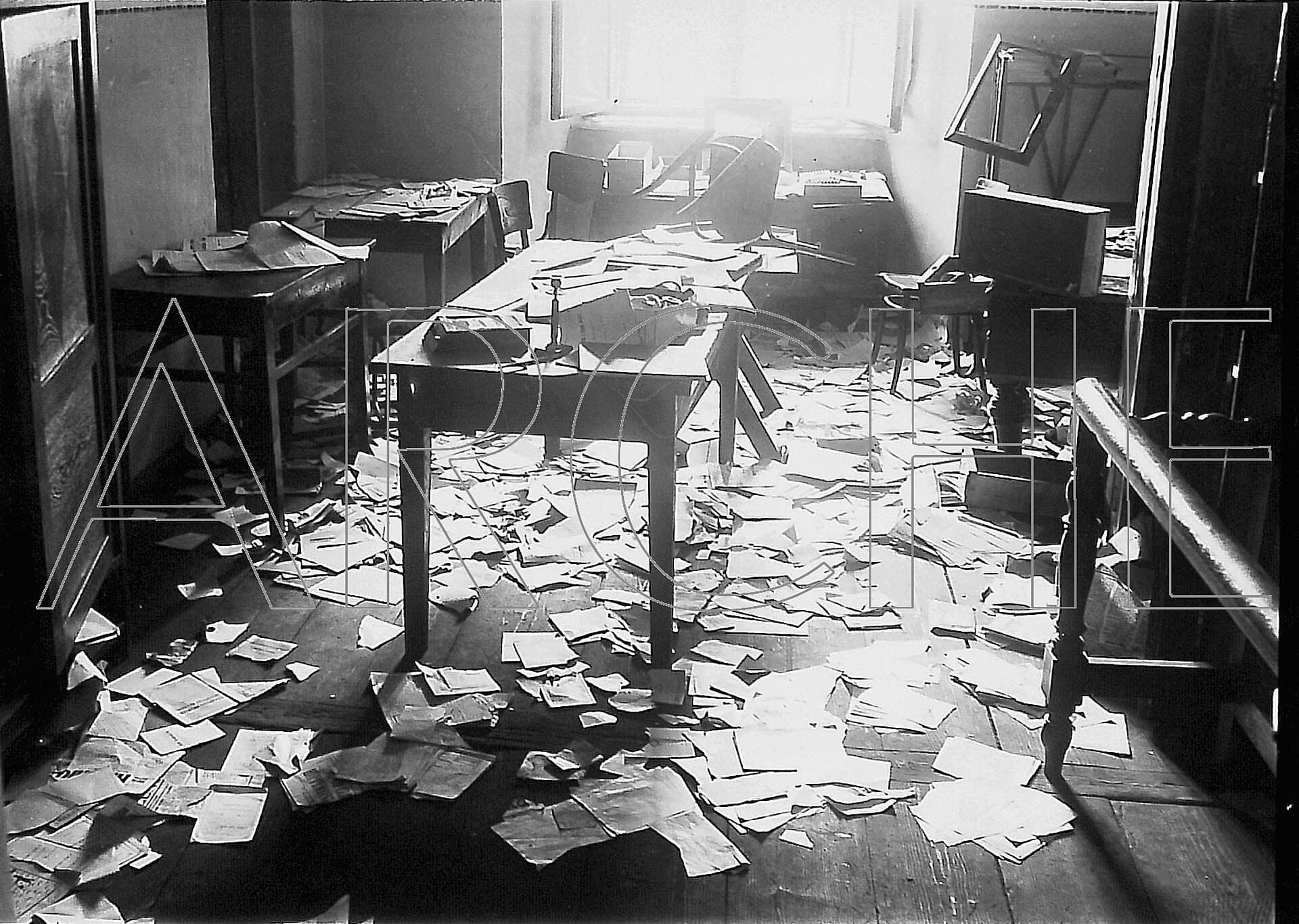
In January 1927 the Polish authorities banned the Hramada and put its leaders on trial. Taraškievič was later exchanged to the USSR — where he was shot in 1938. That same year the Comintern dissolved the CPWB and destroyed its leadership. The Western Belarusian left was broken by both of the states it had been caught between.
The Soviet period: usurpation, terror, Marxism-Leninism
A state that called itself workers' destroyed the Belarusian socialists utterly.
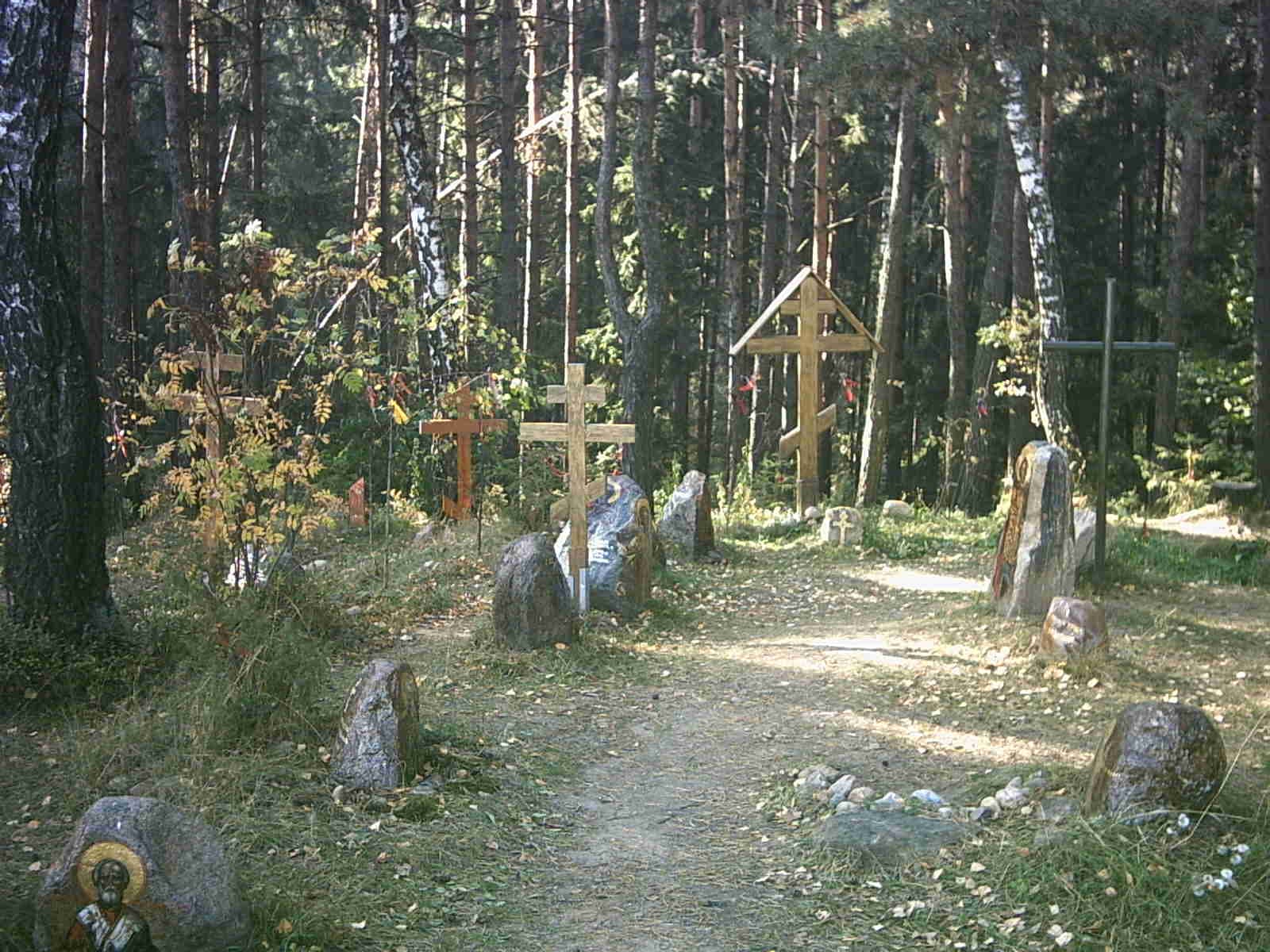
Belarusization was cut short in 1930 by the fabricated case of the “Union for the Liberation of Belarus”: around a hundred scholars, writers and former BNR figures were arrested. The historian Usievaład Ihnatoŭski, head of the Academy of Sciences, shot himself in 1931 rather than wait for a verdict.
On the night of 29–30 October 1937, around a hundred members of the Belarusian intelligentsia — poets, scholars, editors — were shot in the NKVD's internal prison in Minsk. At Kurapaty outside the city lie tens of thousands killed between 1937 and 1941.
Anton Łuckievič was arrested in 1939, when the USSR took Western Belarus. He died in custody in 1942 — the man who had led the BNR government and founded the first Belarusian socialist party. For the next half-century, the words “socialism” and “party” in Belarus denoted not a movement but a state ideology, compulsory to study.
Perestroika, independence and the return of the left
Kurapaty gave the country back its memory — and with the memory, social democracy.
In 1988 a publication about the excavations at Kurapaty became the starting point of mass politics: the Belarusian Popular Front formed around the memory of the terror. The question that had been silenced for half a century turned out to be stronger than any programme.
On 2 March 1991 the Belarusian Social Democratic Hramada was re-established — deliberately under the same name as the Łuckievičs' party. After the Communist Party was banned, the Party of Communists of Belarus took its place. For the first time since the 1920s, the left was plural again.
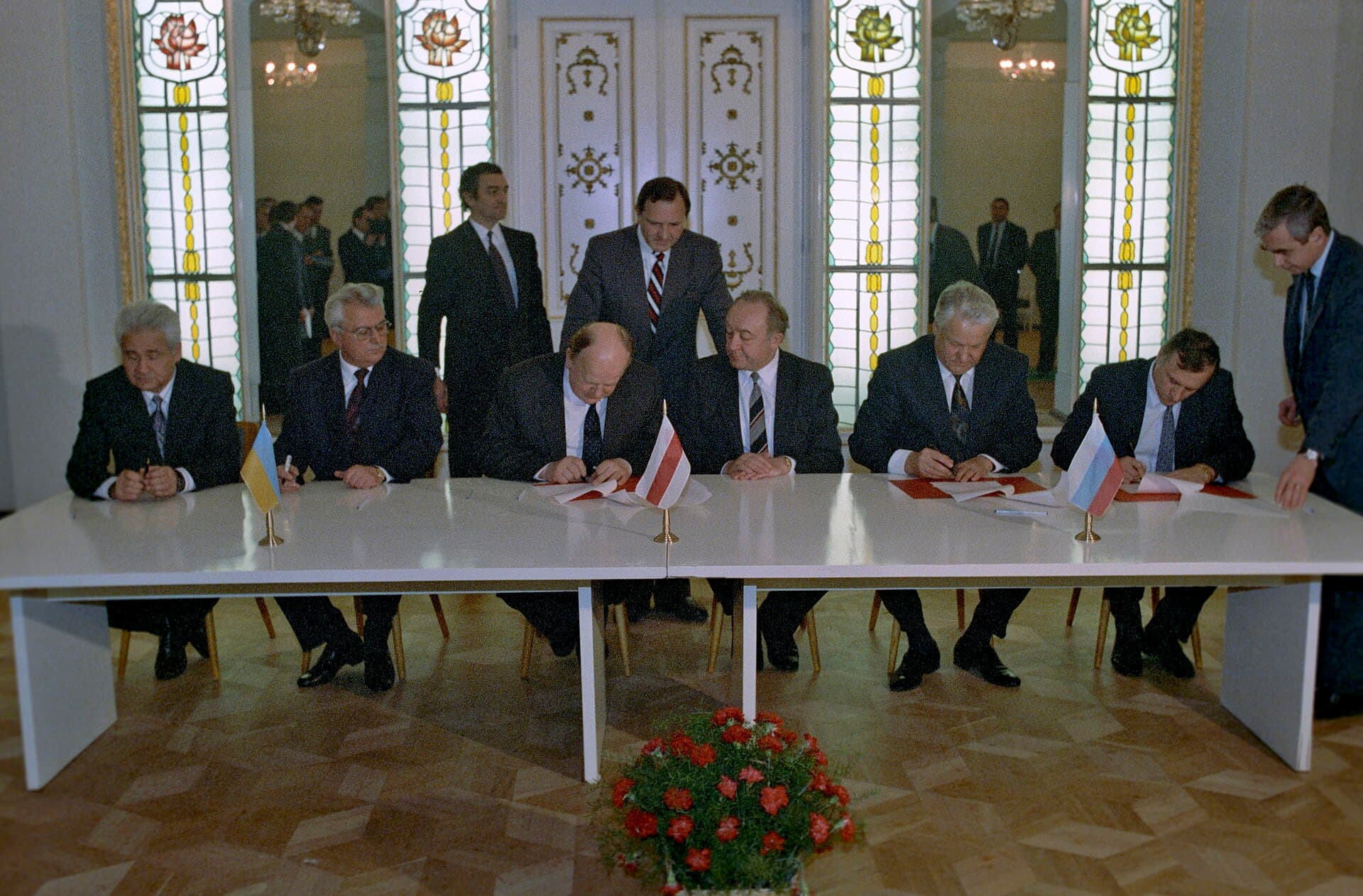
On 25 August 1991 Belarus declared independence; in December, in the Białowieża Forest, the agreement dissolving the USSR was signed. For a few years the country lived with real party competition, a free press, and elections whose outcome was not known in advance.
The usurpation of power and the democratic left
The regime took the word “social” for itself — and made social democrats into prisoners.
In 1994 Alexander Lukashenka won the first and last free presidential election. The 1996 referendum rewrote the constitution, dissolved parliament and closed power around one man. In 1999–2000 the opposition politicians Yury Zacharanka and Viktar Hanchar, the businessman Anatol Krasoŭski and the journalist Dzmitry Zavadski disappeared.
The regime built the facade of a “social state”: preserved Soviet forms, control of the trade unions, an official Communist Party kept as scenery. Actual left politics was pushed into opposition — into independent unions that were squeezed, and social democrats who were put on trial.
Mikałaj Statkievič, the leader of the Belarusian social democrats, ran for president in 2010 and received six years in a penal colony for protesting on election night. That is the Belarusian version of social democracy in these decades: not a parliamentary faction, but a sentence.
2020, the liquidation of the parties, and exile
In 2023 legal party life in Belarus ended. The movement did not.
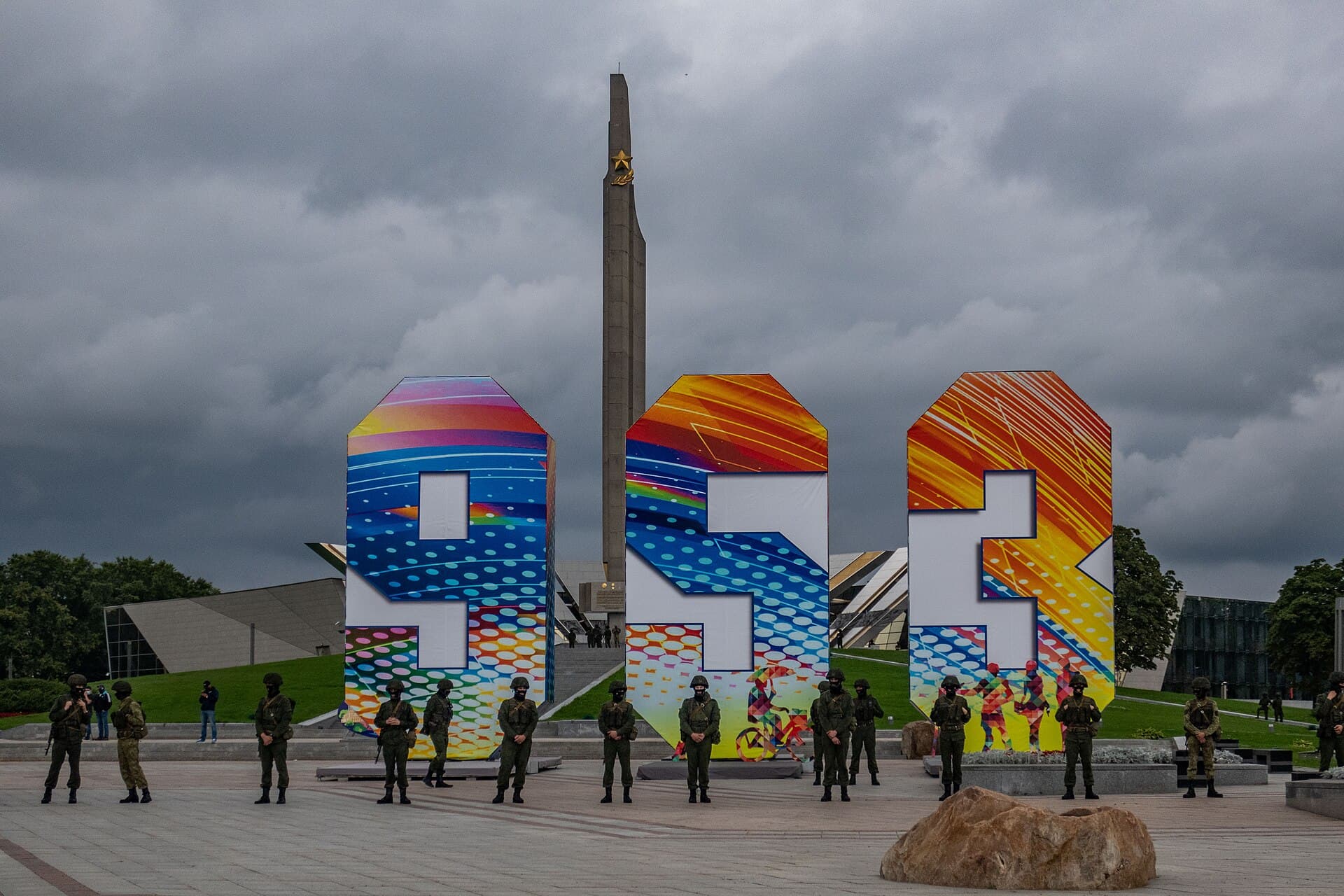
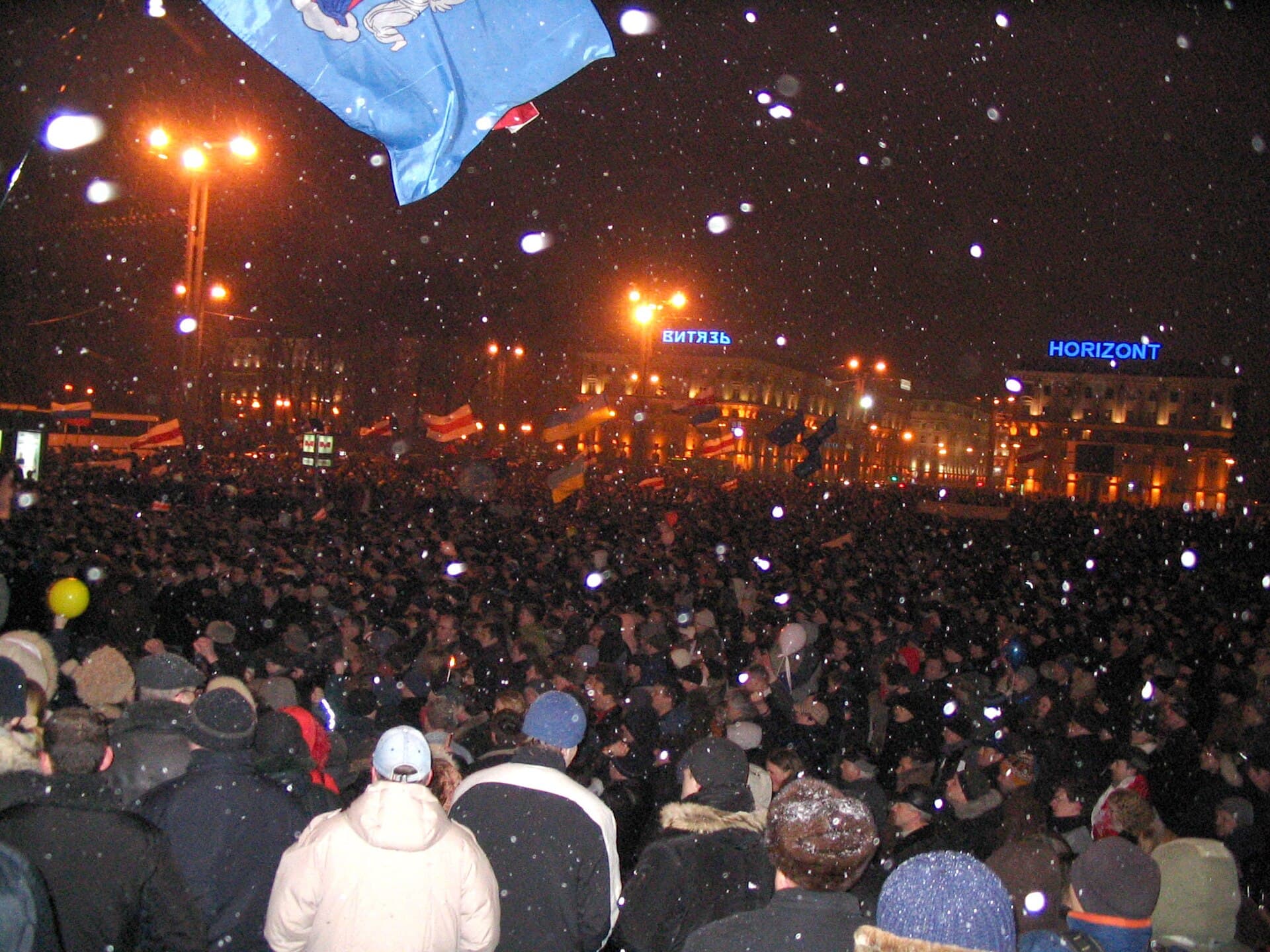
The presidential election of August 2020 and its falsification brought hundreds of thousands onto the streets — the largest protest in the country's history. The answer was tens of thousands of detentions, torture in the jails, and criminal cases. Mikałaj Statkievič was tried again, this time for fourteen years.
In 2021–2022 civil society organisations were liquidated. In February 2023 a new law required parties to re-register — and four remained registered, all loyal to the authorities. The Belarusian Social Democratic Party (Hramada), heir to the party of 1902, was liquidated.
Tens of thousands of Belarusians left, for Poland, Lithuania and Georgia. Left structures are being rebuilt in exile, as they were rebuilt after 1927 and after 1937. In 2025 Maladaja Hramada's pages were added to the national register of extremist materials. It is the same verdict handed to our predecessors a century ago — and it means we are being heard.
The Belarusian left has been destroyed twice — in 1937 and in 2023. Both times it was declared finished. We are the evidence that this was not true.